Research that stays useful after the next product ships.
At Akhila Labs, we invest in long-horizon directions through simulation, data analytics, and partner collaborations—so each product generation inherits more than the last.
Products turn over. Directions should not.
Typical shipping cycles are short. The problems that matter take longer than a single release.
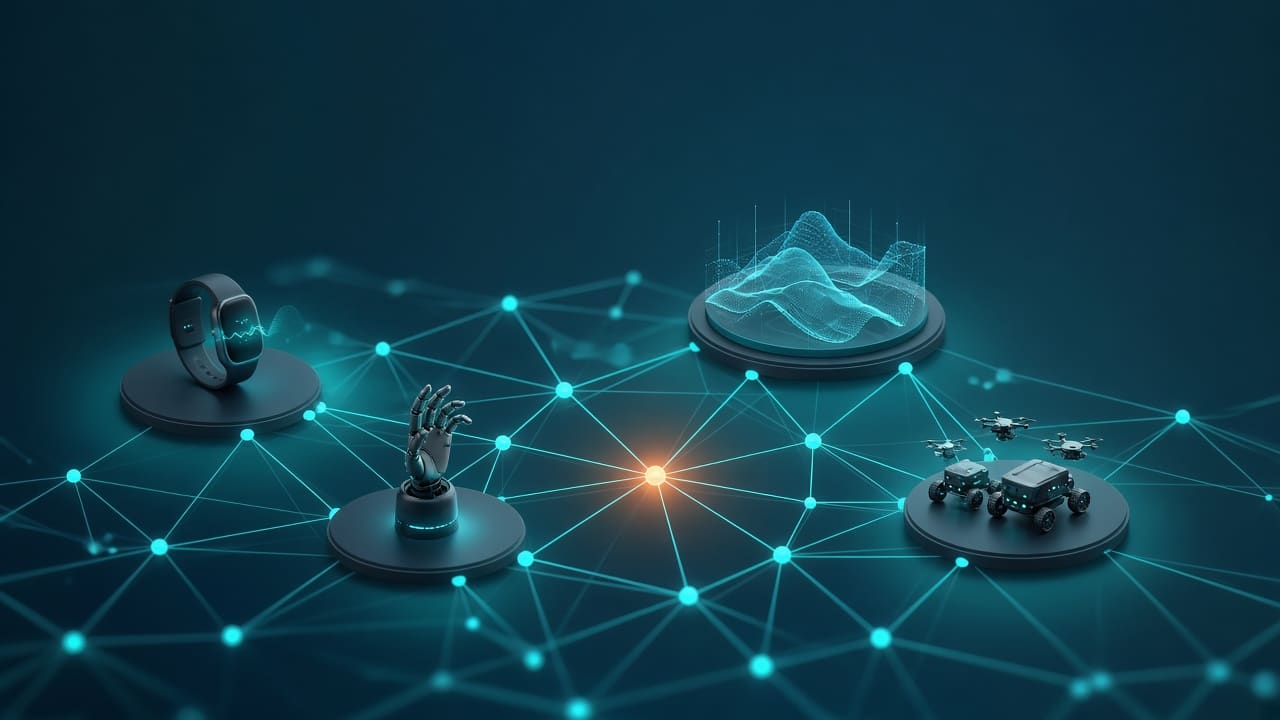
Research at Akhila Labs is where we hold that longer view. Robotics and contact-rich programs advance first in simulation and logged data; health and sensing programs advance through analytics with medical and health partners who bring clinical context and facility access when a study needs it. Each program remains a durable direction that can feed WearIQ, RoboWorks, AgentFlow, Ready Hardware, and AL Studio when the work is ready to ship.
A layered research stack—not competing twins.
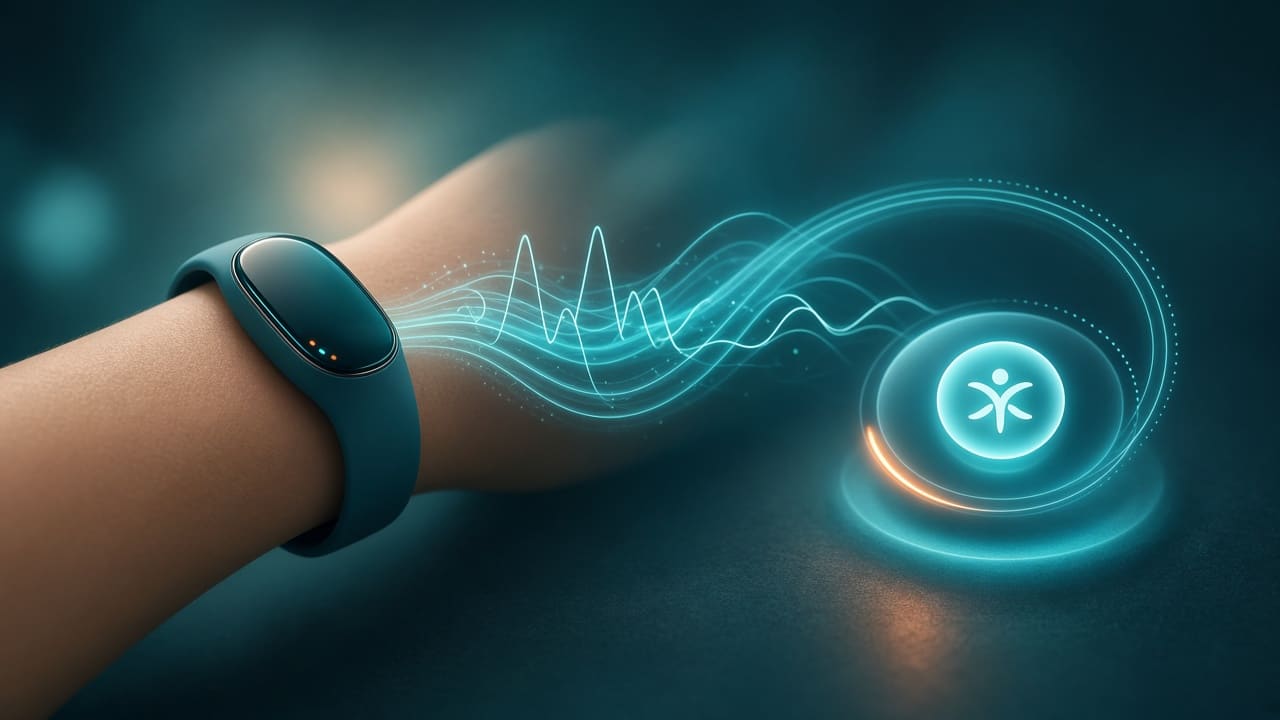
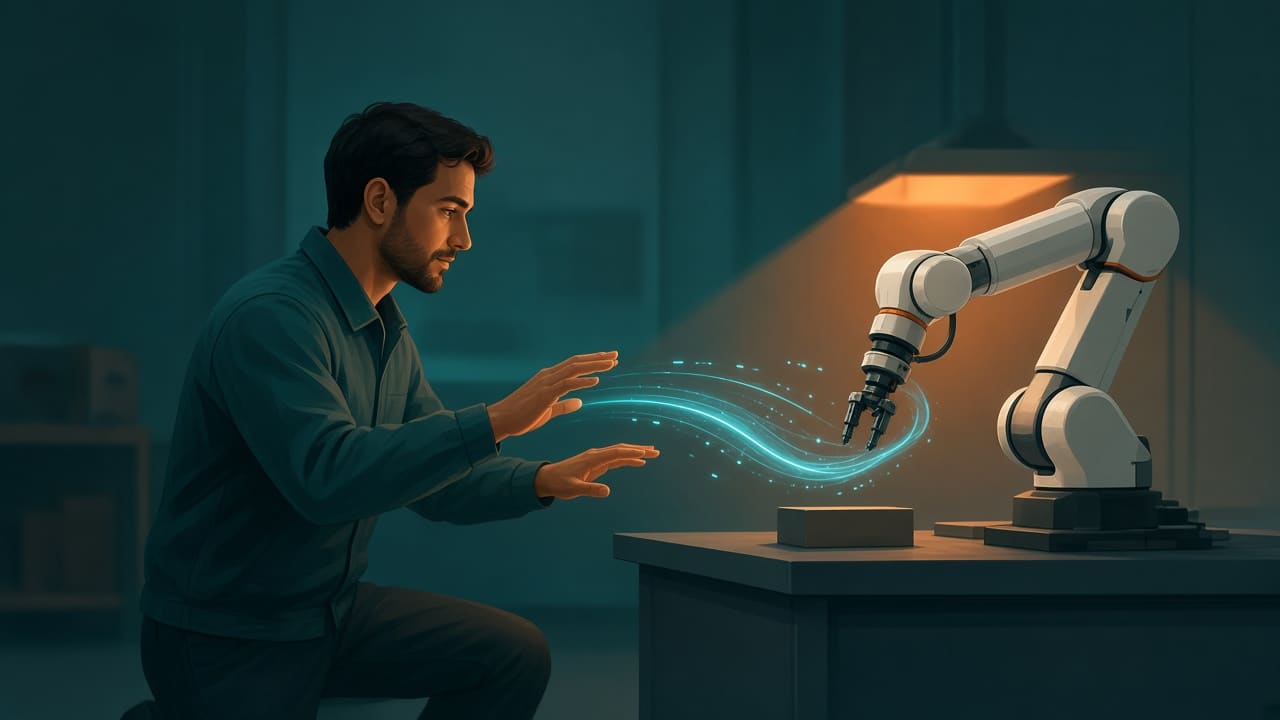
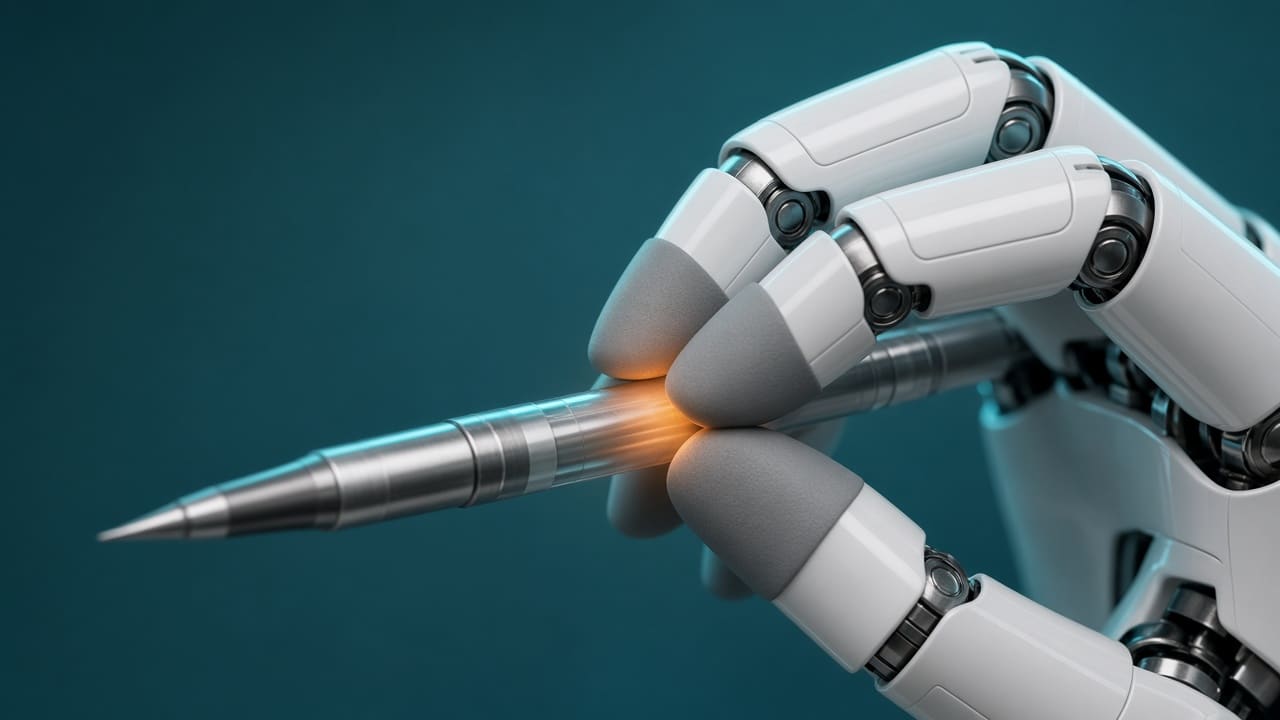
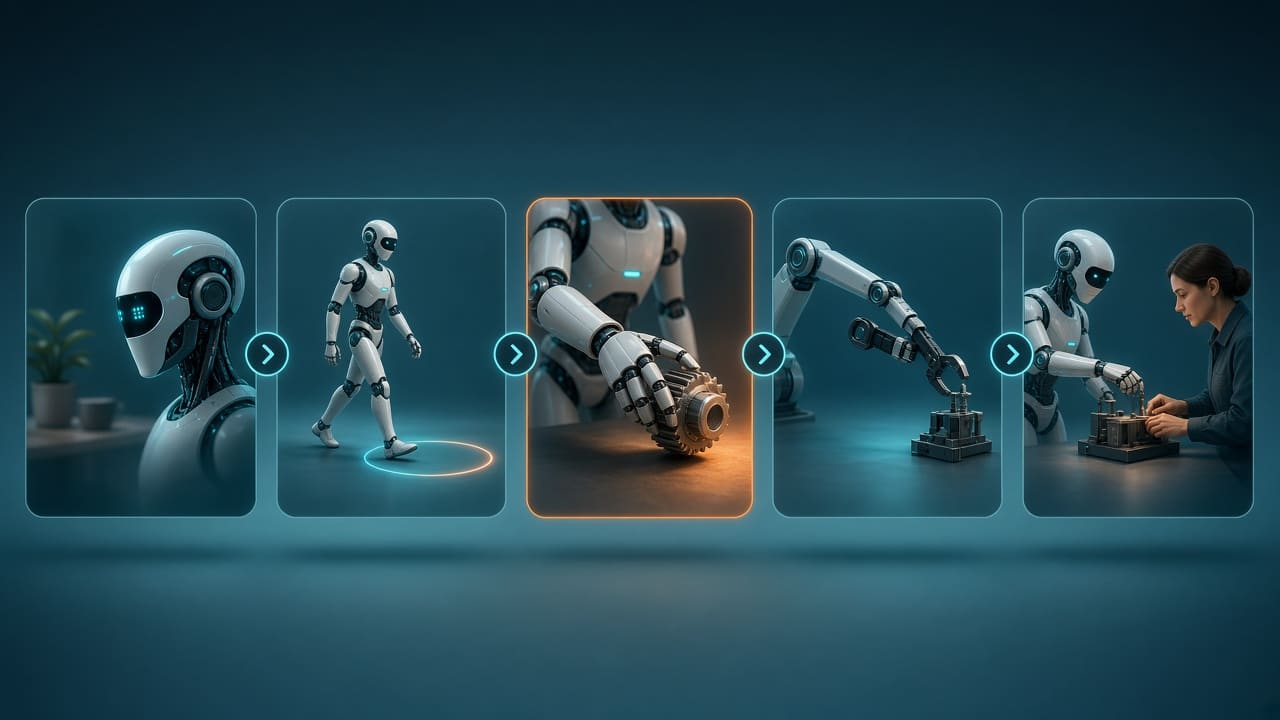
Health programs cover interface, power, and closed loops. Robotics programs cover space, contact, skills, teaching, embodiment, missions, and fleets—each layer with a distinct job.


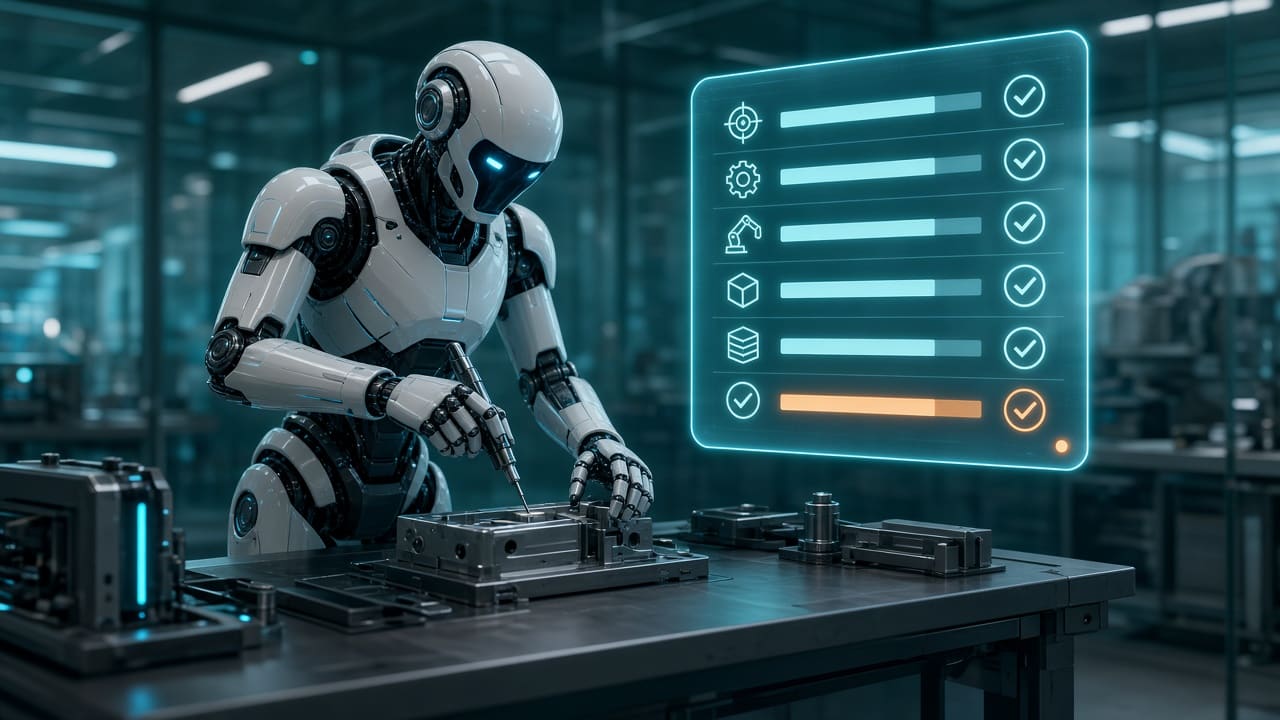

Open ecosystems, product bridges.
We build on open robotics and edge stacks—ROS 2, Nav2, MoveIt, NVIDIA Isaac / Isaac Lab, Jetson, i.MX, Zephyr, BLE medical sensors, and health-analysis libraries—and we collaborate with medical, health, and robotics partners for facility-backed measurements. Open stacks keep research inspectable; partners extend what we can measure and validate together.
Each program page names the algorithms we study and how we evaluate in simulation, analytics, and partner settings. When a direction is ready, we connect it into AL Studio, Ready Hardware, RoboWorks, WearIQ, and AgentFlow. Research stays long-horizon; products stay the place where customers feel the progress.
Product bridges
- AL DeviceHub
- Wearable Intelligence
- aFlex Ready Hardware
- RoboWorks
- AgentFlow
- Connected Care / Medical Edge
External layers
- ROS 2
- NVIDIA Isaac / Jetson
- Simulation and Isaac Lab
- Apple Health / Google Health Connect
- Semiconductor and MEMS partners